Protect Your Walls from Wind and Moisture
Siding Installation in Spokane for aging exteriors that leak air, show rot, or no longer shield framing from seasonal weather swings
Strom Roofing LLC installs siding throughout Spokane when your home's exterior has reached the point where paint no longer adheres, when you find soft spots near window corners, or when utility bills climb because gaps behind the old cladding let cold air infiltrate wall cavities. You schedule installation because the inspector noted water damage on interior drywall traced to failed siding seams, because you want to upgrade from worn cedar shakes to low-maintenance fiber cement, or because the house you purchased came with aluminum siding dented by hail and faded by decades of ultraviolet exposure. New siding creates a weather-tight envelope that keeps moisture out of wall framing and insulation, reduces drafts that force your furnace to cycle constantly, and refreshes the home's appearance with colors and textures that match your neighborhood's character.
The installation process starts by removing old siding panels and inspecting the underlying sheathing and housewrap for damage or deterioration. Crews repair any compromised sections, then install a fresh weather-resistant barrier that sheds bulk water while allowing vapor to escape from the wall cavity. Trim boards go up around windows and doors first, creating finished edges, and then siding panels attach horizontally or vertically depending on the product you choose. Each panel interlocks with the one below it or beside it, and fasteners penetrate through designated nail slots into studs or sheathing, leaving slight play so the material can expand and contract with temperature changes without buckling. Caulk seals butt joints and penetrations, and corner trim caps the edges where two walls meet, completing the barrier that protects your home from rain driven sideways by wind gusts common during Spokane storms.
If you notice drafts near baseboards, see paint peeling in large sheets, or find damp insulation inside exterior walls, requesting a siding consultation in Spokane helps you understand which materials suit your home's style and how installation timing affects project cost and comfort during construction.
Changes You See and Feel After Installation
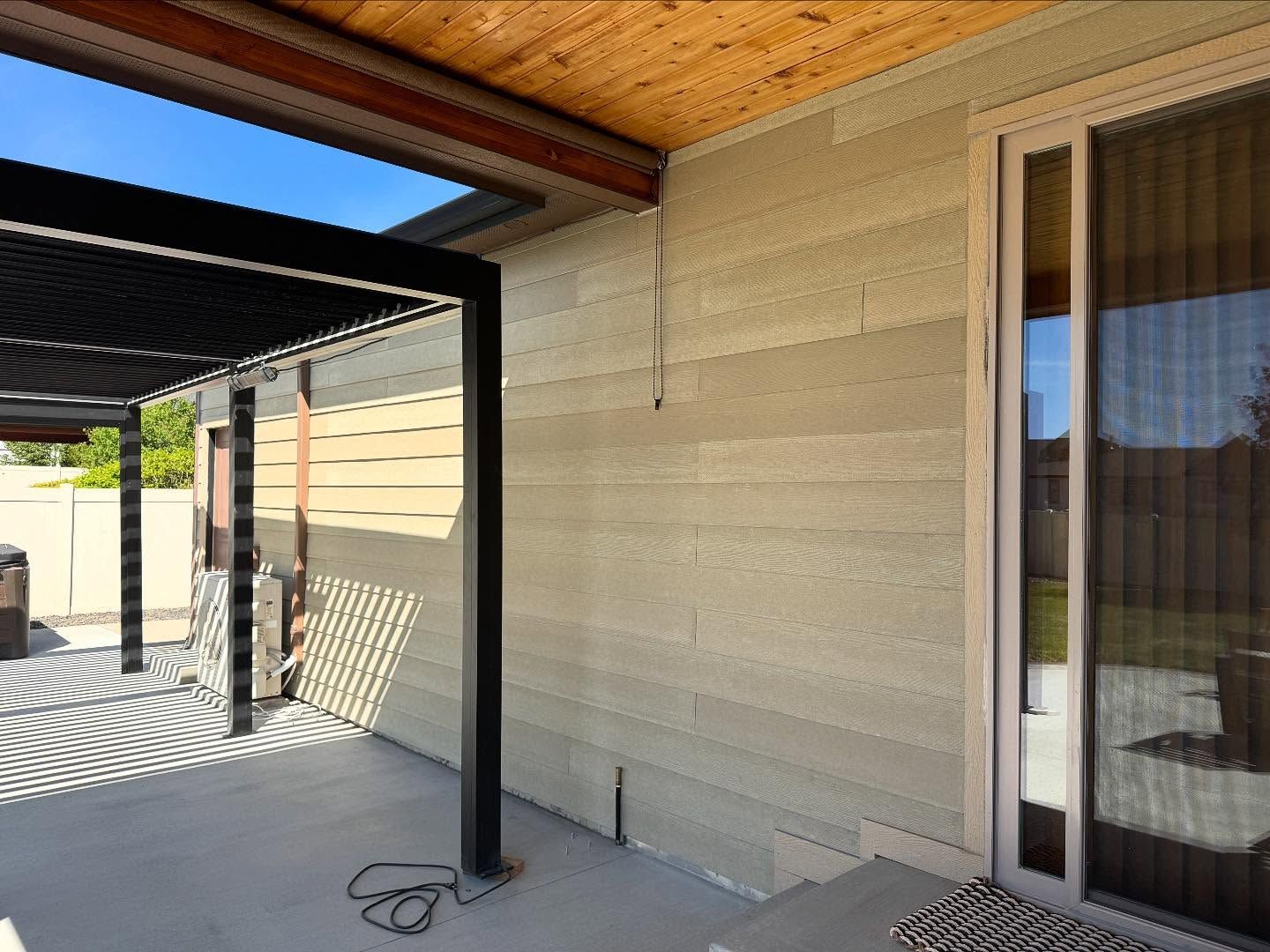
You stop feeling cold air seep through electrical outlets on exterior walls, and the furnace runs shorter cycles because the thermal envelope no longer leaks heat through gaps in the old siding. Strom Roofing LLC completes most residential siding projects in one to two weeks depending on square footage and the number of windows and doors that require trim work, and the crew stages scaffolding or ladders to reach second-story walls safely without damaging landscaping. Fresh siding presents a uniform color with crisp shadow lines where planks overlap, and corner boards sit flush against adjoining walls without gaps that funnel water into the framing.
Inside, you notice less dust infiltration along baseboards and reduced noise from wind hitting the exterior, since modern siding systems include foam backer or rigid insulation that dampens sound transmission. The installation includes new trim around windows and doors if the existing casings are too narrow to accommodate the thicker wall profile created by added insulation layers. Siding work does not include repainting trim, replacing windows, or upgrading insulation unless you add those items to the project scope, so coordinate any companion work before the crew schedules the start date.
Material choice affects long-term maintenance requirements, with fiber cement needing periodic repainting but resisting rot and insect damage, while vinyl siding requires no paint but can crack in extreme cold if impacted. The consultation phase covers maintenance expectations, warranty details, and color selection, ensuring the final product aligns with your budget and the architectural style of your home.
People ask about material durability, installation timelines, and what happens to the old siding once it comes down.
Siding Installation Questions Homeowners Have
What happens to the old siding after removal?
Crews load it into a dump trailer for disposal at a landfill or recycling facility, and they separate metal flashing and trim that can be recycled from composite or wood materials that go to waste streams.
How do you choose between vinyl and fiber cement?
Vinyl costs less upfront and never needs paint but can crack in freezing temperatures, while fiber cement resists impact and fire but requires repainting every ten to fifteen years to maintain appearance.
When should you replace sheathing under siding?
If the crew finds soft spots, mold, or water stains on the oriented strand board or plywood beneath the old siding, those sections get cut out and replaced before the weather barrier and new siding go up.
Why does siding installation take longer in Spokane winters?
Caulk and adhesive require temperatures above forty degrees Fahrenheit to cure properly, and shorter daylight hours reduce the number of productive work hours per day, so scheduling during warmer months improves efficiency.
How does new siding improve energy efficiency?
It eliminates air leaks around panel edges and penetrations, and when paired with foam backer or rigid insulation, it adds thermal resistance that reduces heat loss through wall assemblies and lowers heating costs throughout winter.
Strom Roofing LLC provides itemized estimates that detail material types, labor phases, and any structural repairs discovered during sheathing inspection. Scheduling installation during dry weather in Spokane protects exposed wall cavities from moisture intrusion and lets crews work steadily without weather delays that stretch the project timeline.